

Ernst and Young, LLP
Standard and Poors' RatingsDirect (1998-1999)
I joined the development team for Standard and Poors several months after the RatingsDirect project started. Although I was to work on a subsection of the product (for the Structured Finance group), I spent my first week as the substitute designer for the core product while their original designer was on vacation. It soon became clear to me that I had been chosen because of my skills as a troubleshooter and problem-solver, and was expected to solve the roadblocks that were threatening upcoming deadlines.
I redesigned the entire user interface for RatingsDirect during that week (including color and layout), worked with the design liaison at S&P, and found ways to reduce the margin of error at the intersections of design and development. My managers then asked me to develop UI standards and guidelines for all of the S&P products we were developing, to work with the developers to reduce the conflicts between design and code, and to mentor the designer I had stepped in for. As the coordinating designer for the Ratings Direct sites, I worked with 3 other designers on various S&P digital subscription resources.
Once I had the core standards and guidelines in place and approved by the creative group at S&P, I was free to focus on the requirements and design for the Structured Finance group's data in the system. I had discovered early on that S&P were very concerned about user adoption of this new digital model; with Structured Finance, this was particularly true. Our designs for rating data therefore mimicked the familiar print layout of the books of data the subscription service was seeking to duplicate.
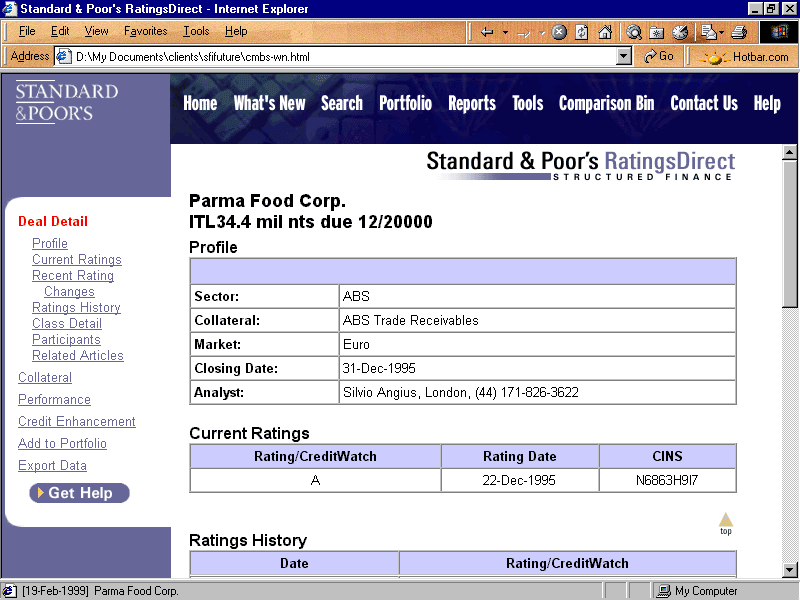
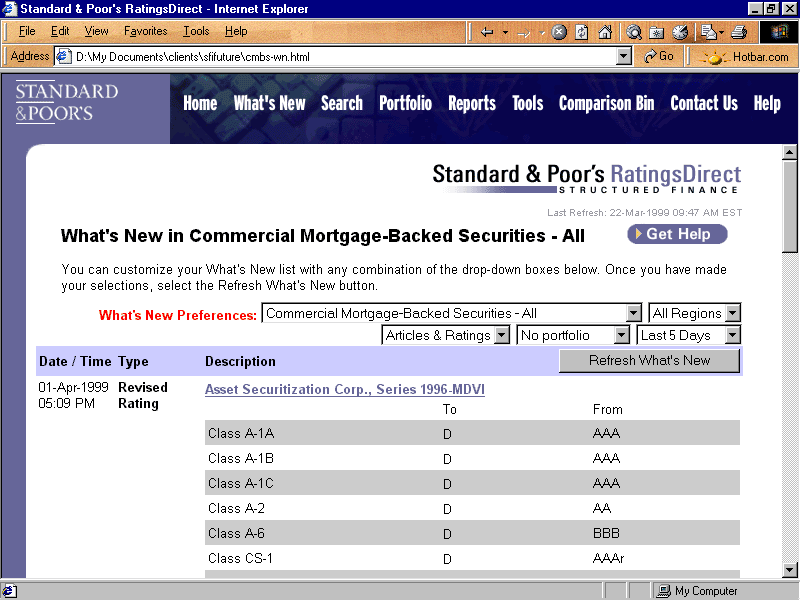
The advantage of putting this information on the web was the immediacy of the information; clients no longer needed to wait for a book of data to be published: the new ratings data would show up on-line in the What's New page immediately:
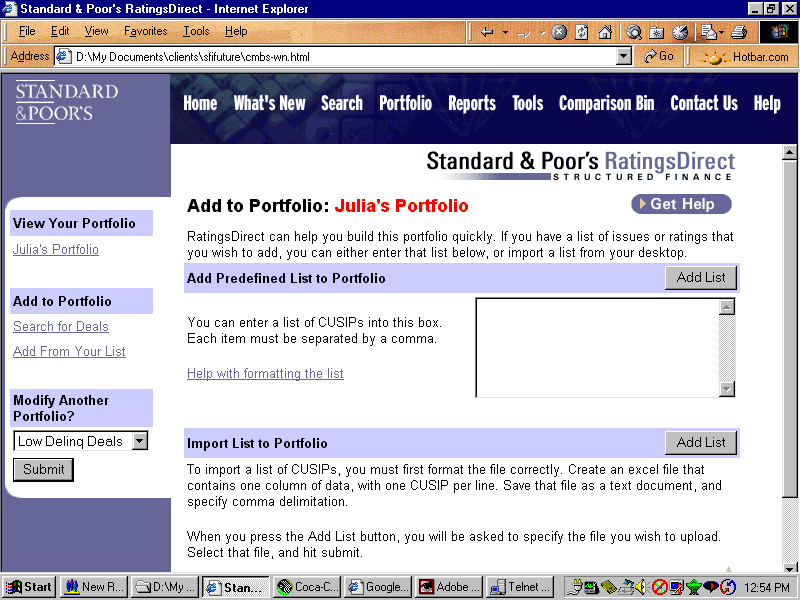
The digital format also meant that users could store and access data in customized portfolios, run reports, find data using a boggling variety of criteria, and easily compare ratings information:
While on the Standard and Poors' project, I designed and implemented a notes-based internal change management tool we used to manage change requests and significant bugs (we had a separate bug-tracking system) that was later refined by one of our developers and used by several other projects. I worked with the developers to create a system where design and development worked closely and efficiently together. Our methods became the basis for successful development projects for other clients, and eventually became a critical part of national development processes.
Over the course of this project, I participated in and led requirements meetings, gathered requirements, managed the design relationship with the client, mentored junior designers and worked with designers who were my peers (and working on affiliated sites), and managed an intern. In addition to my client work, I was working with the other designers in our design studio to define process, build our studio's toolset and competancies, recruit new designers, publicize our group and our skills within the company, and build internal tools and environments to facilitate experimentation and collaboration. I was writing articles for A List Apart, mentoring designers and consultants new to the company, and being a design Subject Matter Expert on several other projects and proposals (mostly providing guidance, work estimates, and the benefit of my experience).